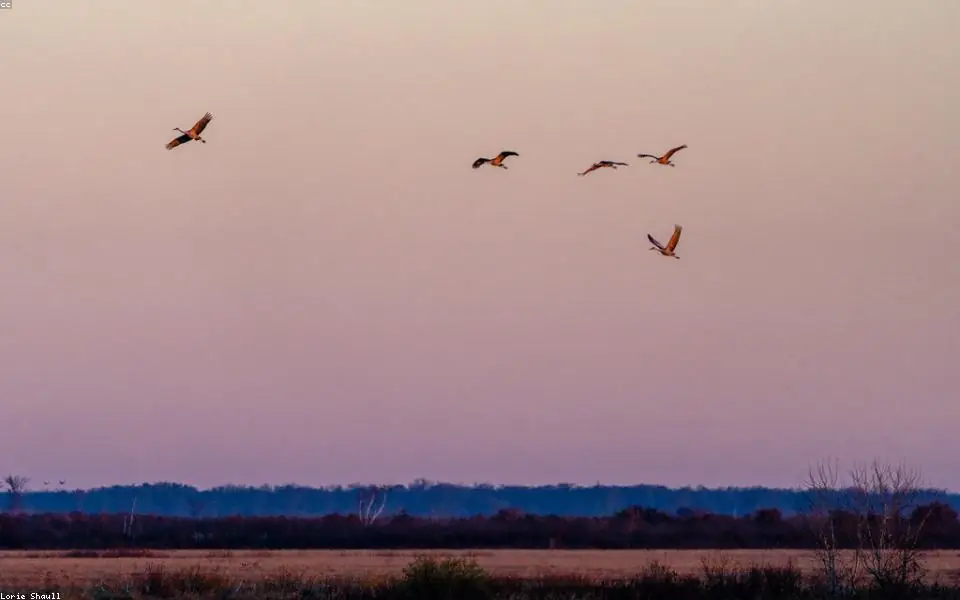
Canada holds roughly 25% of the world's remaining wetlands, which makes it one of the most productive places on Earth for waterfowl observation. From the Prairie Pothole Region to tidal flats along the St. Lawrence, the variety of species and habitats is genuinely difficult to match anywhere in North America. This guide covers where to go, when to go, what to look for, and how to watch without disturbing the birds.
Why Canada Is a Priority Destination for Waterfowl Observers
The numbers behind Canadian waterfowl are hard to overstate. The Prairie Potholes across Manitoba, Saskatchewan, and Alberta produce an estimated 50–80% of North American dabbling ducks in peak breeding years. The James Bay and Hudson Bay lowlands serve as critical staging areas for millions of geese during both spring and fall migration. These are not marketing claims — they are figures referenced in Canadian Wildlife Service annual waterfowl surveys.
Canada hosts breeding populations of approximately 40 duck species, 8 goose and brant species, and several swan species that can be reliably observed with basic field skills and patience.
Waterfowl Species You Can Realistically Identify
Not every species requires a spotting scope or expert-level knowledge. The table below groups common Canadian waterfowl by difficulty of identification in the field.
| Difficulty | Species | Key Field Marks |
|---|---|---|
| Beginner | Mallard | Green head (male), orange bill, purple speculum |
| Beginner | Canada Goose | Black neck, white chin patch, brown body |
| Beginner | Trumpeter Swan | All white, long flat bill with black base |
| Intermediate | American Black Duck | Dark brown body, violet speculum, no white border |
| Intermediate | Northern Pintail | Long pointed tail, grey body, white neck stripe |
| Intermediate | Gadwall | Subtle grey pattern, white speculum visible in flight |
| Advanced | Greater vs. Lesser Scaup | Head shape (peaked vs. rounded), nail width on bill |
| Advanced | Ring-necked Duck vs. Scaup | White ring on bill, peaked head, different flank pattern |
| Advanced | Eurasian Wigeon (rare) | Rusty head, cream forehead vs. green eye streak in American |
Start with the beginner species and build from there. Scaup identification frustrates experienced birders; do not measure early success against it.
Seasonal Calendar for Waterfowl Watching
Timing determines what you see more than location does. A marsh that holds 12 species in April may hold 3 in August.
Spring Migration (March to Early May)
- Ice breakup triggers movement. Watch open water edges before lakes fully thaw.
- Quebec's Montmagny and Cap-Saint-Ignace area hosts hundreds of thousands of Greater Snow Geese in April — one of the largest single-species waterfowl concentrations in North America.
- Male ducks are in full breeding plumage: the best time for learning identification.
- Common species arriving early: Common Goldeneye, Common Merganser, Ring-necked Duck.
Breeding Season (May to July)
- Activity shifts to marshes, lake edges, and boreal ponds.
- Females become secretive; males begin moulting into eclipse plumage by late June — many look confusingly drab.
- Good time to watch broods of ducklings, which helps confirm species.
- Wood Duck boxes become active in southern Ontario and Quebec riparian corridors.
Fall Migration (August to November)
- Peak diversity. Species from Arctic and Subarctic staging areas move through in large numbers.
- Teal (Blue-winged, Green-winged, Cinnamon) move south by September.
- Diving ducks peak in October on the Great Lakes and St. Lawrence.
- Rare species probability increases — Pacific Loon, White-winged Scoter, Long-tailed Duck appear regularly in October on large water bodies.
Winter (December to March)
- Open water near dams, rapids, or saltwater holds overwintering species.
- Barrow's Goldeneye winters reliably on the St. Lawrence near Montreal.
- Common Eider and Harlequin Duck present on Atlantic coast.
- Fewer species but easier observation — birds concentrate on limited open water.
Best Wetland Habitats in Canada by Region
| Region | Key Site | Primary Species |
|---|---|---|
| Atlantic Canada | Chignecto National Wildlife Area, NB | American Black Duck, Common Eider, Brant |
| Quebec | Cap Tourmente NWA | Greater Snow Goose, Mallard, Black Duck |
| Ontario | Long Point, Lake Erie | 30+ waterfowl species during fall migration |
| Manitoba | Oak Hammock Marsh | Canvasback, Redhead, Ruddy Duck, all common dabbling ducks |
| Saskatchewan | Last Mountain Lake NWA | Sandhill Crane, Snow Goose, White Pelican alongside ducks |
| Alberta | Beaverhill Lake | Scaup, scoters, rare vagrant ducks in fall |
| BC Coast | Boundary Bay, Delta | Brant, Dunlin, Wigeon, Eurasian Wigeon |
Cap Tourmente near Quebec City deserves specific mention: the site was designated one of Canada's first Ramsar Wetlands of International Importance, and during the third week of October, the Snow Goose count regularly exceeds 500,000 birds in the immediate area.
Equipment That Makes a Practical Difference
You do not need expensive gear to watch waterfowl effectively, but certain tools change what you can observe.
Binoculars A 8x42 or 10x42 configuration works well across all waterfowl habitats. In open water environments where birds sit at 200+ metres, 10x magnification identifies features that 8x misses. Waterproofing matters — marshes and rain happen together.
Spotting Scope Useful but not essential for beginners. A 65–80mm objective with a 20–60x zoom eyepiece handles most scenarios. Required for distinguishing scaup species at distance.
Field Guide Selection The Sibley Guide to Birds remains the standard for Canadian waterfowl. The second edition (2014) contains accurate range maps. Kaufman Field Guide to Birds of North America works well as a secondary reference because its photo-based plates help beginners match real-world appearances more quickly than illustrated guides.
Clothing and Practical Gear
- Rubber boots or hip waders extend access significantly in marsh edges.
- Muted earth tones reduce disturbance; waterfowl are not as tolerant of close approach as many passerines.
- A small waterproof notebook outperforms phone apps in cold, wet conditions for recording counts.
How to Watch Without Disturbing Birds
Waterfowl flush easily when approached directly. A direct walking line toward a raft of ducks will typically clear the area within 60–90 metres. The following practices reduce disturbance:
- Approach from behind cover (shrubs, dike walls, reed edges) rather than open shoreline.
- Stay lower than the waterline when possible — birds perceive silhouettes above the horizon as threats.
- Stop when birds become alert (upright posture, heads raised). Wait for them to relax before moving again.
- At staging areas during migration, avoid the water edge during feeding hours (typically early morning and before sunset). Birds that cannot feed miss critical caloric intake for long flights.
- In managed wildlife areas, stay on designated paths — wetland vegetation damage from off-trail walking takes 3–5 years to recover.
Recording Your Observations
Submitting data to eBird Canada directly supports waterfowl population monitoring. The Canadian Wildlife Service uses eBird records alongside dedicated aerial surveys to track breeding population trends. Your observations have functional scientific value when submitted with accurate counts and locations.
When recording:
- Note flock size as a range if exact count is difficult (e.g., "200–250 Snow Geese")
- Record sex and age ratios when visible — adult vs. immature proportions indicate breeding success
- Flag any unusual species with supporting notes or photographs; these trigger review by local experts
Waterfowl Identification: Common Mistakes
Mistaking eclipse-plumage males for females Between July and September, male ducks moult into a drab non-breeding plumage called eclipse. A male Mallard in eclipse looks nearly identical to a female. Bill colour (males often retain yellow-green bill colour) and body size help distinguish the pair.
Confusing Cackling and Canada Goose The Cackling Goose was formally split from Canada Goose in 2004. It is smaller, has a shorter and stubbier bill, and a steeper forehead. In mixed flocks, direct size comparison clarifies most sightings, but bill shape is the more reliable feature.
Calling all brown ducks "female Mallards" American Black Duck, Gadwall female, Northern Pintail female, and Mottled Duck (rare in Canada) are all brown ducks that get labelled Mallard by default. Check speculum colour, bill colour, and body shape before defaulting to a common species.
Frequently asked questions
When is the best time of year to watch waterfowl in Quebec?
April is exceptional for sheer numbers, particularly for Snow and Canada Goose concentrations along the south shore of the St. Lawrence. October brings the highest species diversity as Arctic-breeding ducks move through on fall migration. Breeding season in May and June offers the best plumage for learning identification.
Do I need a permit to access waterfowl watching areas in Canada?
Most National Wildlife Areas require a permit under the Canada Wildlife Act. Permits are free and available from Environment and Climate Change Canada. Provincial wildlife management areas have varying rules. Cap Tourmente requires an entry fee during the Snow Goose migration period. Always check the specific site before visiting.
What is the difference between dabbling ducks and diving ducks?
Dabbling ducks (Mallard, Teal, Pintail, Wigeon) feed at the water surface or tip forward to reach submerged vegetation. They take off almost vertically from the water. Diving ducks (Scaup, Canvasback, Ring-necked Duck) submerge completely to feed and need a running takeoff across the water surface. This distinction also indicates habitat preference: dabblers favour shallow marshes, divers prefer deeper lakes and rivers.
How do I report a rare waterfowl sighting in Canada?
Submit through eBird Canada with detailed notes and, if possible, photographs. Rare sightings automatically enter review by regional eBird editors. For nationally significant records, the Ontario Bird Records Committee, Quebec Bird Records Committee, or relevant provincial body reviews documentation. A clear photograph of the bird in question is the single most useful piece of evidence for any rare species claim.