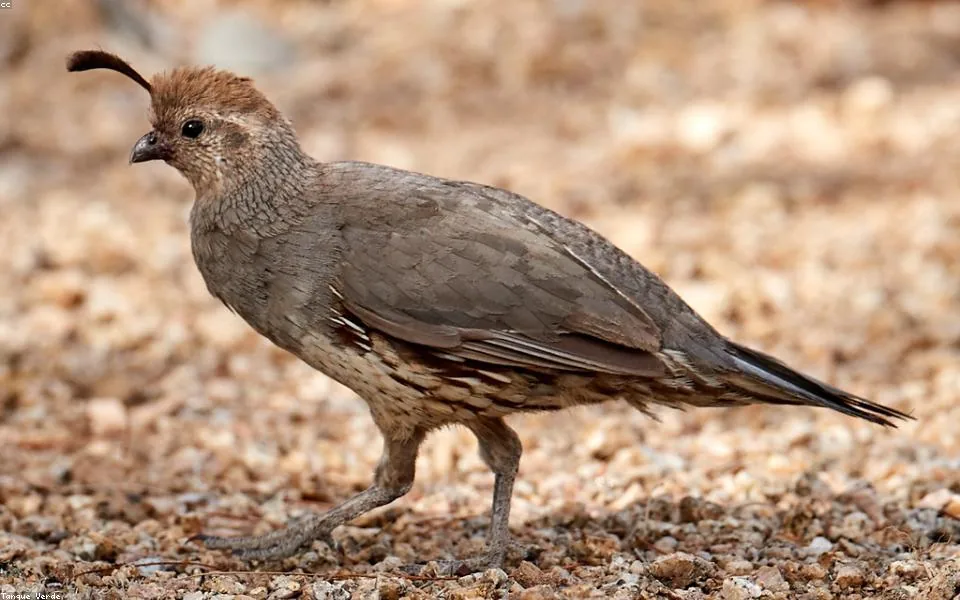
Quebec is one of the most rewarding provinces in Canada for birding, with over 450 recorded species spanning boreal forests, river valleys, coastal marshes, and urban greenspaces. Whether you are watching from a feeder in Montreal or scanning the St. Lawrence for sea ducks in January, the province offers year-round opportunity.
Why Quebec Stands Out for Birding
The province covers three major ecological zones: the Mixedwood Plains in the south, the Boreal Shield across the interior, and the Hudson Bay Lowlands in the north. Each zone attracts different species at different times of year. The St. Lawrence River corridor alone acts as a major migration funnel, concentrating raptors, waterfowl, and passerines every spring and fall. Few other provinces combine this ecological range within a manageable geography for birders.
Common Resident Species Year-Round
These species breed in Quebec and remain through winter in significant numbers:
| Species | Habitat | Notes |
|---|---|---|
| Black-capped Chickadee | Mixed and deciduous forest, suburbs | Visits feeders daily; flocks with other species in winter |
| Hairy Woodpecker | Mature forest and wooded parks | Often confused with Downy; larger bill relative to head size |
| White-breasted Nuthatch | Deciduous forest edges | Descends tree trunks headfirst; regular at suet feeders |
| Common Raven | Boreal forest, rural areas | Year-round in northern Quebec; increasingly urban in winter |
| American Crow | Widespread | Forms large winter roosts in cities such as Quebec City and Sherbrooke |
| Ruffed Grouse | Mixed woodland | Heard more than seen; drumming begins in early April |
Seasonal Breakdown: What to Expect and When
Spring Migration (April to late May)
The movement begins in earnest once ice breaks on the St. Lawrence, typically in late March to early April. Waterfowl lead the wave, followed by shorebirds, raptors, and finally warblers in May.
- April: Common Loon, Greater Scaup, Osprey, Tree Swallow, Yellow-rumped Warbler
- Early May: Broad-winged Hawk (peak migration around May 14-20), Baltimore Oriole, Ruby-throated Hummingbird
- Late May: Blackpoll Warbler, Olive-sided Flycatcher, shorebirds including Whimbrel on coastal sites
The Broad-winged Hawk flight over Brome-Missisquoi and Pointe-Claire can count thousands of birds in a single afternoon during peak days.
Summer Breeding Season (June to August)
Quebec's boreal interior holds breeding populations of species rarely seen farther south:
- Spruce Grouse
- Gray Jay (Canada Jay)
- Connecticut Warbler
- Bicknell's Thrush (restricted to high-elevation fir zones above 900 m)
- Yellow Rail (marshes near Lac Saint-Pierre)
Bicknell's Thrush is of particular conservation concern. Its global breeding range is almost entirely within Quebec and the northeastern U.S., making Quebec birders important observers for population monitoring.
Fall Migration (August to November)
Shorebird migration peaks in August on mudflats and agricultural fields. Raptor migration builds through September and peaks in October at hawk-watch sites.
- August: Semipalmated Sandpiper, Baird's Sandpiper, Buff-breasted Sandpiper in fields
- September-October: Sharp-shinned Hawk, Cooper's Hawk, Peregrine Falcon along ridgelines
- October-November: Nelson's Sparrow in coastal marshes, late warblers, lingering Yellow-rumped Warblers into November
Winter Birding (December to March)
Winter is underrated in Quebec. Irruptive species from the boreal zone appear in unpredictable numbers depending on seed and prey cycles.
| Irruptive Species | Trigger | Typical Quebec Locations |
|---|---|---|
| Snowy Owl | Low lemming populations on tundra | Agricultural plains near Montreal, Quebec City outskirts |
| Common Redpoll | Birch and alder seed failure | Feeders across southern Quebec |
| Evening Grosbeak | Spruce budworm and berry cycles | Mixed forest edges, suburban feeders |
| Pine Siskin | Conifer seed crop failure | Often mixed with redpolls at feeders |
| Bohemian Waxwing | Berry availability | Towns with ornamental crabapple and mountain ash |
In strong irruption years, such as the 2023-24 season, Snowy Owls appeared in numbers well above baseline across the Montérégie and Chaudière-Appalaches regions.
Top Birding Locations in Quebec
Parc national du Mont-Mégantic
Located in the Eastern Townships, this park reaches elevations above 1100 m. It is one of the most accessible sites for Bicknell's Thrush in the province. The summit trail in June offers a realistic chance at this species alongside Swainson's Thrush and Blackpoll Warbler. Night birding here is productive for Northern Saw-whet Owl.
Lac Saint-Pierre Biosphere Reserve
Designated as a UNESCO Biosphere Reserve, Lac Saint-Pierre is the widest section of the St. Lawrence and holds one of the largest Yellow Rail populations in eastern North America. Marsh surveys in late May and June, using playback under the right conditions, consistently produce detections. The adjacent agricultural fields host Bobolink, Eastern Meadowlark, and Upland Sandpiper in summer.
Cap Tourmente National Wildlife Area
Located 40 km east of Quebec City, Cap Tourmente is the most important staging site for Greater Snow Goose in the world. In mid-October, flocks exceeding 100,000 birds use the tidal flats along the St. Lawrence. The site also records consistent rarities during migration, particularly gulls and waterfowl.
Pointe-Pelée-style Spots in Quebec: Pointe-Claire and Parc de la Frayère
These peninsulas and shoreline parks along the St. Lawrence and Ottawa River act as concentration points during migration. Parc de la Frayère in Boucherville is especially productive for spring warblers on days with south winds that shift to north, grounding migrants along the river.
Abitibi Region
The boreal forests of Abitibi-Témiscamingue represent some of the least-disturbed breeding habitat in eastern Canada. Species such as Black-backed Woodpecker, Connecticut Warbler, and Le Conte's Sparrow breed here. Road-based birding along forestry routes in June is effective.
Backyard Birding in Quebec: Feeder Setup and Species
Quebec winters are long, and maintaining a feeder station through December to March can attract a reliable cast of species.
Recommended feeder types and the birds they attract:
| Feeder Type | Food | Target Species |
|---|---|---|
| Tube feeder | Black-oil sunflower seed | Chickadees, nuthatches, Pine Siskin |
| Platform feeder | Mixed seed, millet | Dark-eyed Junco, American Tree Sparrow, Mourning Dove |
| Suet cage | Rendered beef suet | Hairy and Downy Woodpecker, White-breasted Nuthatch |
| Nyjer sock | Nyjer (thistle) seed | Common Redpoll, Pine Siskin, American Goldfinch |
| Ground scatter | Cracked corn, millet | White-throated Sparrow (during migration), juncos |
Placing feeders within 1 metre of a window or more than 10 metres away reduces collision risk significantly. At intermediate distances (2-9 m), birds build enough speed to cause fatal impacts.
Quebec's Species at Risk: What Birders Should Know
Several breeding species in Quebec are listed under Canada's Species at Risk Act (SARA):
- Bobolink - Threatened; population has declined 65% since 1970 across Canada due to early hay cuts
- Eastern Meadowlark - Threatened; agricultural grassland loss is the primary driver
- Canada Warbler - Threatened; breeds in dense shrubby understory; sensitive to habitat fragmentation
- Olive-sided Flycatcher - Threatened; boreal breeder wintering in South America; long-distance migrant vulnerable to stopover habitat loss
Reporting observations of these species through community science platforms contributes directly to population monitoring and informs habitat management decisions by provincial and federal agencies.
Photography Tips for Quebec Birds
Quebec light conditions vary dramatically by season. A few practical notes:
- Winter: Snow reflects light upward, reducing the need for fill flash even in shade. Shoot Snowy Owls in open fields between 9 AM and 3 PM for front-lit subjects
- Spring migration: Early morning light at forest edges produces warm tones; May warblers move most actively in the first two hours after sunrise
- Boreal species: In Abitibi, light quality at 58 degrees north latitude in June allows shooting until nearly 10 PM without dramatic colour loss
- Use minimum shutter speeds of 1/1250s for songbirds in flight; 1/2000s or faster for raptors and shorebirds
Frequently asked questions
What is the best time of year to go birding in Quebec?
Late May offers the highest species diversity in a single outing. Warblers, shorebirds, waterfowl, and breeding species overlap during the last two weeks of May. For a specific target, October is best for large flocks at Cap Tourmente, and December through February for irruptive boreal species.
Which Quebec bird is the hardest to find?
Bicknell's Thrush is consistently the most sought-after and difficult species. It breeds only at high elevations in dense balsam fir, sings mostly at dusk and dawn, and is not reliably detected without targeted effort. Mont-Mégantic summit in the second week of June gives the best odds.
Do I need a permit to bird in Quebec's national parks?
Day-use fees apply in Parcs Quebec (provincial parks) such as Mont-Mégantic and Mont-Tremblant. Access to Cap Tourmente National Wildlife Area operated by Environment and Climate Change Canada is also fee-based for most visitors. Quebec national parks passes cover multiple provincial sites and are available on a daily or annual basis.
How do I report a rare bird sighting in Quebec?
Observations should be submitted to eBird, which maintains regional checklists and flags rare species for review by Quebec's provincial records committee (QBRC). For species requiring documentation, a written description with field marks, behaviour, lighting, and distance is expected. Photographs and audio recordings substantially strengthen a record.