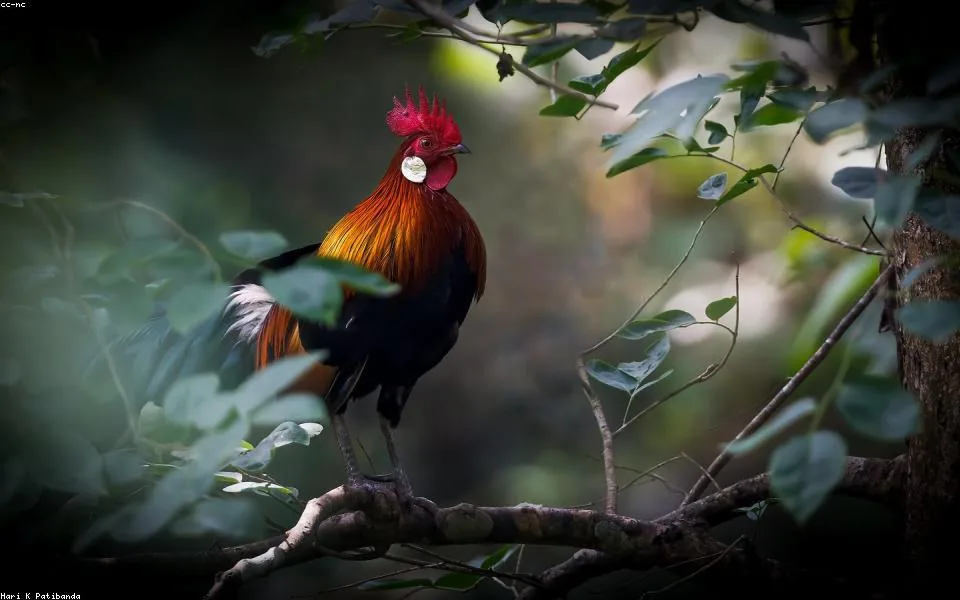
Sparroworks started as a field notebook that refused to stay private. Based in Quebec, this blog documents what happens when you slow down long enough to notice the birds in your yard, the insects on your fennel, and the migrating warblers moving through in May. It is written for people who already care about nature and want more than generic advice.
What Sparroworks Actually Covers
This is not a general wildlife site. The content focuses on a specific intersection: birds, garden ecology, and the outdoor habits of people living in eastern Canada. That focus keeps the writing grounded.
The main topic areas:
- Birds of Quebec — species accounts, seasonal timing, identification tips, and habitat notes specific to the St. Lawrence Valley and surrounding regions
- Green birding — low-impact birdwatching that prioritizes local patches, walking distance from home, and reducing carbon cost in the hobby
- Garden ecology — how yard design decisions (plant choices, water features, feeder placement) affect which birds and insects actually show up
- Wildlife photography — practical field technique for capturing birds with natural light, without disturbing nesting or feeding behavior
- Bird feeders — what works in a Quebec winter, which seed mixes attract which species, and how feeder placement interacts with window strike risk
- Nature notes — short observation posts tied to specific dates, locations, and conditions
If you are looking for a site that covers every bird in North America with equal weight, this is not it. Sparroworks goes deeper on a smaller geographic slice.
The Quebec Context
Quebec is an underrated birding region. The province sits on the Atlantic Flyway, which means spring and fall migration brings species that breed in the boreal forest through cities, suburbs, and river valleys on their way north or south. The St. Lawrence estuary alone hosts significant concentrations of shorebirds, waterfowl, and raptors at predictable times of year.
A few facts that shape the content here:
| Region | Notable Species | Peak Season |
|---|---|---|
| Monteregie / South Shore | Bobolink, Eastern Meadowlark, Loggerhead Shrike | May–June |
| Montreal Island | Yellow-rumped Warbler, Cooper's Hawk, Peregrine Falcon | April–May, September |
| Gatineau Park | Hermit Thrush, Pileated Woodpecker, American Woodcock | May, October |
| Lower St. Lawrence | Northern Gannet, Common Eider, Black Guillemot | June–August |
| Abitibi | Connecticut Warbler, Palm Warbler, Olive-sided Flycatcher | June |
Writing about birds in Quebec means writing about French and English communities that share the same riverbanks, the same feeders, and the same declining grassland bird populations. That overlap matters here.
Green Birding: What It Means in Practice
Green birding is a birding ethic, not just a hashtag. The core idea is to limit or eliminate motorized travel in pursuit of birds. In practical terms, this means:
- Counting only birds seen or heard within walking, cycling, or paddling distance from home
- Treating a local patch as worthy of sustained attention across multiple years, not just a quick eBird list
- Recognizing that chasing rare species by car or plane has a carbon cost that adds up
Quebec is a reasonable place to commit to green birding. Anyone living on the island of Montreal, in the Eastern Townships, or near the Laurentians can build a substantial local bird list without ever driving to a twitch. Over 300 species have been recorded in Montreal alone. A serious local patch birder working a cemetery, a park, or a shoreline stretch can observe 150+ species in a calendar year without leaving their borough.
Sparroworks documents this kind of birding because it is sustainable, replicable, and surprisingly productive. It also forces you to notice things you would miss if you were always driving somewhere new.
Garden Ecology: More Than a Feeder on a Pole
The garden content here treats outdoor space as habitat, not decoration. That distinction changes the questions worth asking.
Instead of "what feeder should I buy," the more useful questions are:
- Which native plants in your hardiness zone (3b through 6a across most of populated Quebec) produce seeds, berries, or insect habitat that birds actually use?
- How does leaf litter management affect ground-feeding species like White-throated Sparrow and Hermit Thrush?
- What is the relationship between your garden's insect biomass and the number of breeding birds that will attempt to use it?
Research by Douglas Tallamy and others has quantified some of this. Native oaks support over 500 caterpillar species in eastern North America. Non-native ornamentals like Norway Maple support fewer than 10. For a yard trying to attract insectivorous birds during breeding season, that difference is structural, not cosmetic.
Content on this site treats those numbers as relevant. Specific plant recommendations, feeder placement relative to windows and shrub cover, water feature depth and edge design — these are covered with enough detail to be actionable.
Wildlife Photography Without the Ego
Photography content on Sparroworks is field-focused. The goal is documentation and observation, not portfolio building for its own sake.
What that looks like in practice:
- Discussions of when not to approach a nest, and how close is too close for a displaying shorebird
- Gear choices that prioritize mobility over maximum reach (a 500mm prime is not always the right tool)
- How to use natural perches, background separation, and available light instead of manufactured setups
- Species-specific behavior notes that make better photos more likely without increasing disturbance
Photography ethics matter more in the age of social media than they did before GPS metadata became standard and location tags became competitive. This site takes a conservative position: the welfare of the bird comes before the image.
Who Writes This
Sparroworks is written by a Quebec-based naturalist with a long-term commitment to local patch birding and garden habitat work. The perspective is that of someone who has been keeping field notes for years, not someone summarizing Wikipedia.
This is not a team of content writers producing articles to a keyword brief. When there is uncertainty about an identification or a population trend, the text says so. When a recommendation depends on local conditions, the conditions are specified. That is the standard this blog holds itself to.
How This Site Relates to Larger Resources
Sparroworks does not try to replace the major databases and organizations working in Canadian ornithology. Birds Canada runs the longest-running nest record scheme in the country and coordinates programs like Project FeederWatch and the Breeding Bird Atlas. eBird Canada is the primary tool for submitting and analyzing bird distribution data at scale.
What Sparroworks adds is a slower, more local, more opinionated layer. The observation that Black-capped Chickadees at a specific feeder in the Plateau-Mont-Royal neighborhood change their visit frequency by 40% in the two weeks before a major cold front is not the kind of thing that shows up in a database. That is field naturalist knowledge, and it belongs somewhere.
What to Expect From New Content
Publishing is not on a fixed schedule, but content is tied to seasonal cycles that are predictable:
| Season | Typical Content Focus |
|---|---|
| March–April | Arrival timing, first migrants, mud season birding |
| May | Peak warbler migration, breeding bird surveys |
| June–July | Nesting behavior, garden insect activity, photography conditions |
| August–September | Shorebird migration, early fall departure, feeder setup |
| October–November | Hawk migration, late migrants, winter feeder strategy |
| December–February | Feeder birds, irruption species, winter ecology |
Longer pieces — identification guides, garden plant lists by zone, route notes from specific locations — appear less frequently but are updated when conditions or data change.
Frequently asked questions
What geographic area does Sparroworks focus on?
The primary focus is Quebec, with most detailed content covering the St. Lawrence Valley corridor from the Eastern Townships through Montreal and into the Laurentians. Some content extends to the broader eastern Canadian context, particularly for migration routes and species that move through the province seasonally. Content is not written for a pan-continental audience, and site-specific recommendations are calibrated to Quebec hardiness zones and bird communities.
Is this site affiliated with Birds Canada or eBird?
No. Sparroworks is an independent blog. It references Birds Canada programs and eBird data where relevant because those are the most reliable sources for Canadian bird records, but there is no institutional relationship. Readers interested in contributing to citizen science bird data should submit observations directly through those platforms.
How is the garden ecology content different from general gardening advice?
The focus here is specifically on how plant and design choices affect bird and insect communities, not on aesthetics or horticultural performance. Recommendations reference native species by scientific name, hardiness zone, and documented wildlife value where that data exists. The goal is habitat function, which sometimes conflicts with what a conventional garden designer would suggest.
Can I submit a bird observation or photo to the site?
Sparroworks is not a community platform and does not have a submission system. Readers with significant Quebec bird sightings should submit records to eBird or contact Birds Canada through their official channels. For photography questions or local patch discussions, the contact information on this site is available for direct correspondence.