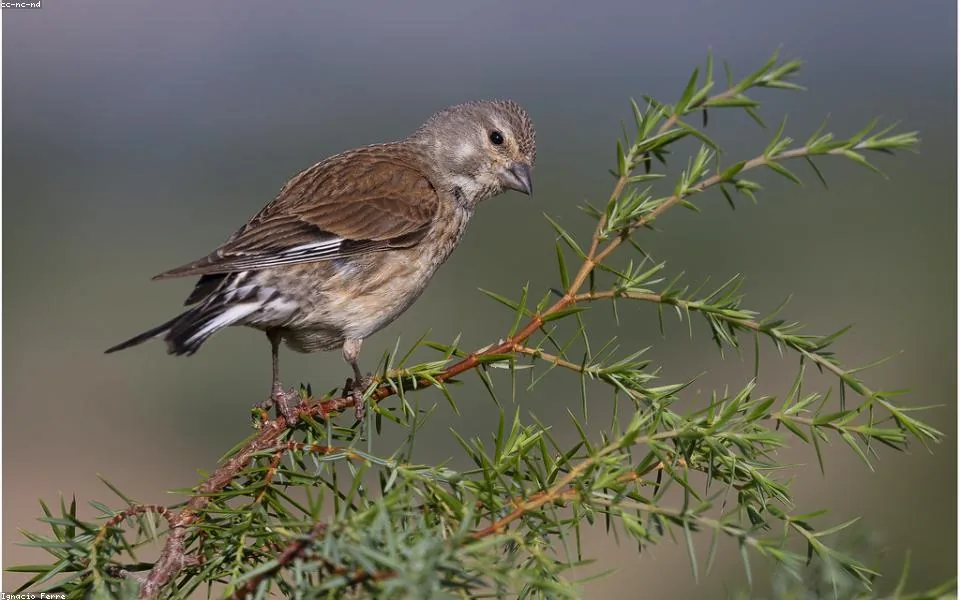
Spring migration is one of the most concentrated wildlife events you can witness without leaving your backyard. Across Canada, billions of birds move northward between late March and early June, passing through forests, wetlands, and suburban gardens. Knowing what to look for — and when — makes the difference between a frustrating morning walk and a genuinely memorable observation.
Why Spring Migration Happens When It Does
Migration timing is driven by photoperiod (day length), not temperature. Birds begin their northward push when light triggers hormonal changes, which is why a cold April snap does not stop a Yellow Warbler from showing up on schedule. In Canada, the migration window runs roughly 10 weeks, but the peak is compressed into about three weeks for any given species at any given latitude.
Key environmental factors:
- Day length triggers departure from wintering grounds
- Tailwinds from the south accelerate movement — big flights happen after a low-pressure system passes
- Cold fronts stall migrants, concentrating large numbers in small areas (called "fallouts")
- Food availability at stopover sites determines how long birds rest before continuing
Migration Timeline Across Canadian Regions
Timing varies significantly by province and habitat. The table below reflects average first-arrival dates for selected species, based on eBird data patterns and Birds Canada monitoring records current to 2026.
| Species | Southern Ontario | Quebec (St. Lawrence) | Atlantic Canada | Prairie Provinces |
|---|---|---|---|---|
| American Robin | March 15–25 | March 20–30 | March 25 – April 5 | March 20–30 |
| Tree Swallow | April 1–10 | April 5–15 | April 10–20 | April 5–15 |
| Yellow Warbler | May 1–8 | May 5–12 | May 10–18 | May 5–12 |
| Ruby-throated Hummingbird | May 1–10 | May 5–15 | May 10–20 | May 10–18 |
| Blackpoll Warbler | May 15–25 | May 18–28 | May 20–30 | May 20–28 |
| Common Nighthawk | May 20–28 | May 22–30 | May 25 – June 2 | May 18–26 |
Quebec sits on a major flyway corridor along the St. Lawrence River valley. Birds funneled up the Atlantic coast often follow the river inland, making spots like Cap Tourmente and the Richelieu Valley nationally significant stopover locations.
Species to Prioritize in Quebec
For observers in Quebec, spring migration offers access to species that breed much further north and pass through only briefly. Prioritizing these targets improves a session considerably.
Shorebirds (late April – late May)
- Semipalmated Sandpiper: arrives in massive numbers at intertidal flats; Cap Tourmente hosts tens of thousands during peak days
- Dunlin and White-rumped Sandpiper follow slightly later, with White-rumped peaking in late May
- Lesser Yellowlegs appears earlier than Greater, useful for distinguishing them by timing alone
Warblers (late April – late May)
- 30+ warbler species pass through Quebec each spring
- Yellow-rumped Warbler is consistently the first warbler to arrive, often by late April
- Connecticut Warbler is secretive and easily missed; it moves through in late May in shrubby wet areas
- Mourning Warbler prefers dense undergrowth and arrives after most other warblers have passed
Raptors (March – May)
- Broad-winged Hawk is the headline event — mid-May flights over Mont-Royal or Tadoussac can involve thousands of birds in a single afternoon
- Osprey returns reliably in mid-April to lakes and rivers
- Northern Harrier moves through wet meadows and marshes from late March onward
Setting Up Your Garden for Migrating Birds
Migration creates an opportunity to attract species that would not visit a feeder in summer or winter. During April and May, exhausted migrants stop in gardens that offer shelter, water, and accessible food.
What actually works:
| Feature | Effect | Notes |
|---|---|---|
| Moving water / dripper | Attracts warblers, thrushes, vireos | Still birdbaths are less effective; movement triggers response |
| Dense shrub layer | Provides immediate cover for arriving birds | Native shrubs preferred: serviceberry, elderberry, viburnum |
| Leaf litter left in place | Ground-feeding thrushes and towhees forage here | Removing leaves removes food source |
| Suet during cold snaps | Supports Yellow-rumped Warblers in cold weather | Useful when insects are not flying |
| Native fruiting trees | Sustains fruit-eating migrants (thrushes, waxwings) | Crabapple, hawthorn, mountain ash |
Avoid putting out mealworms before mid-May unless you have confirmed Robin or Bluebird nesting — early supply can disrupt natural foraging behavior in migrants passing through.
Green Birding: How to Watch Without Adding to the Problem
Green birding is the practice of observing birds without using motorized transport. In Canada, the green birding movement has grown steadily since 2020, with dedicated year-list categories on eBird that exclude any species seen while in a vehicle.
Practical approaches:
- Build a list based entirely on your home patch — consistent observation of one site over weeks produces deeper ecological understanding than scattered day trips
- Cycle to known migrant traps rather than driving; many urban parks and ravines hold significant diversity within cycling distance
- Document your local patch on eBird with complete checklists; this data feeds directly into Birds Canada monitoring programs and has genuine scientific value
- Night flights are audible from backyards — many warblers, thrushes, and sparrows call during nocturnal migration; free apps like BirdNET can identify flight calls
Wildlife Photography During Spring Migration
Spring offers the best light and the most cooperative subjects. Birds singing on territory in May are predictable in location and behavior, unlike any other time of year.
Camera settings and conditions:
| Condition | Recommended Approach |
|---|---|
| Golden hour (30 min after sunrise) | ISO 400–800, prioritize shutter speed for moving birds |
| Overcast mid-morning | Softer light for warblers in canopy; increase ISO to 1600+ |
| Backlit birds singing from a perch | Position yourself with the sun behind you; approach from east in morning |
| Fast-moving shorebirds | 1/2000s minimum shutter speed; burst mode essential |
One underused technique for migration photography: stake out a water source rather than following birds through vegetation. Migrants will come to the water reliably; you get cleaner angles and better light than chasing movement through leaves.
Best Observation Sites in Quebec
Quebec has exceptional infrastructure for migration watching, with several sites managed specifically for public access during peak periods.
- Cap Tourmente National Wildlife Area: The most important Greater Snow Goose staging area in the world; 100,000+ geese in late April. Also excellent for sparrows, waterfowl, and early shorebirds.
- Tadoussac Bird Observatory: One of Canada's premier hawk-watching sites; mid-May Broad-winged Hawk flights are a benchmark event. The observatory runs daily counts from late April through June.
- Mont-Royal, Montreal: Urban patch with outsized diversity; regularly records 100+ species in May, including rarities displaced from the Atlantic flyway.
- Richelieu Valley wetlands: Key stopover for diving ducks, herons, and early-season shorebirds; accessible by bicycle from several municipalities.
- Pointe-des-Cascades: A reliable shorebird spot on the St. Lawrence; works especially well in years when water levels expose mudflats in May.
Recording and Reporting Your Observations
Data submitted through citizen science platforms directly improves conservation outcomes. Birds Canada uses eBird records to track population trends, model habitat needs, and identify new priority areas for protection.
How to make your submissions count:
- Always submit complete checklists, not just rare species; absence data is as valuable as presence data
- Record effort accurately — distance traveled, time spent, number of observers
- Note behavior where relevant: feeding, singing, carrying food (indicates breeding activity)
- Submit nocturnal observations separately from daytime checklists to preserve data integrity
In 2024, Quebec observers submitted over 800,000 eBird checklists. That volume of data supports real-time migration forecasting tools that notify observers when conditions favor large movements the following night.
Frequently asked questions
When is peak spring migration in Quebec?
The highest species diversity occurs between May 10 and May 25 for most landbird groups. Waterfowl and early sparrows peak in late April. Shorebirds peak in two waves: mid-May for most sandpipers, and late May for species like White-rumped Sandpiper and Hudsonian Godwit. A single full day in mid-May at a good Quebec site can realistically produce 80–100 species.
How do I find out if a big migration flight happened overnight?
Check BirdCast (run by the Cornell Lab) the evening before — it publishes overnight migration forecasts for North America updated nightly during spring. The forecast maps show predicted migration intensity by region. After a predicted high-movement night, visiting a local park at dawn will typically yield significantly more migrants than a calm night would produce.
What should I carry for a spring birding session?
Binoculars remain the most important tool. 8x42 is the most versatile configuration for mixed habitat. Beyond that: a field guide relevant to eastern Canada, a fully charged phone with eBird and BirdNET installed, and a small notebook. Waterproof footwear matters more than most beginners expect — good wetland and forest sites are wet in May. A folding stool is useful for waiting near a water feature.
Can I attract warblers to my garden during migration?
Yes, but not with seed feeders. Warblers are primarily insectivorous during migration. The most effective attractants are moving water (a dripper or small pump in a shallow dish), dense native shrubs that harbor insects, and leaving fallen leaves undisturbed where ground-feeding species forage. Yellow-rumped Warblers are the exception — they will take suet and occasionally myrtle berries. In Quebec gardens, a water dripper installed by late April regularly attracts 8–12 warbler species over the course of May.