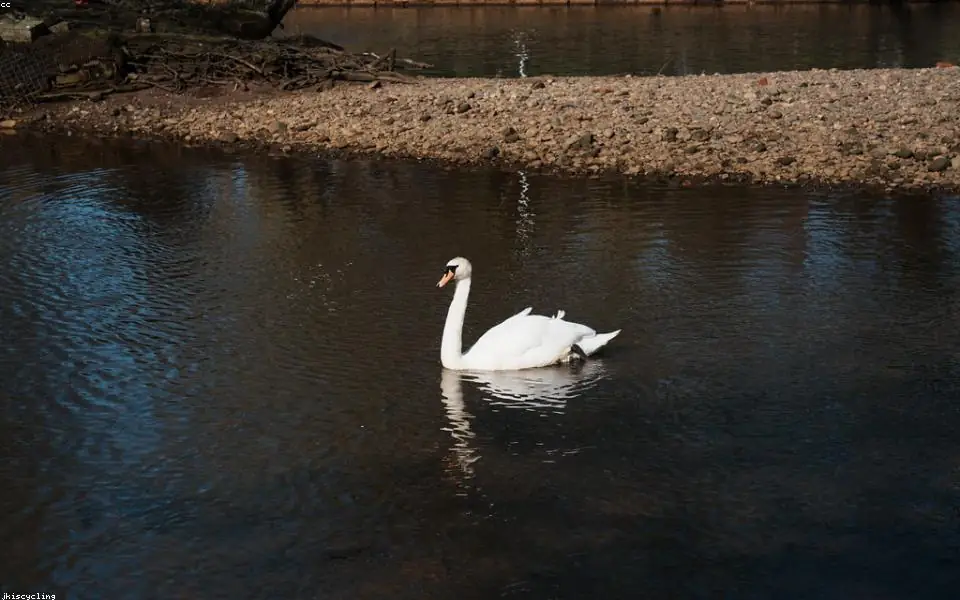
Quebec gardens are not just decorative spaces — they function as micro-habitats that support dozens of species across all four seasons. Whether you have a small urban lot in Montreal or a rural property near the Laurentians, the wildlife moving through your garden follows predictable seasonal patterns that are worth understanding.
Why Quebec Gardens Support More Wildlife Than Most People Expect
The province sits at the intersection of three major bird migration corridors and contains over 300 documented breeding bird species. Gardens with native plantings, water sources, and reduced pesticide use can realistically host 40 to 60 wildlife species per year — including birds, native bees, moths, small mammals, and amphibians. The key variable is not garden size but structural diversity: layers of vegetation, food availability across seasons, and access to water.
Spring: March to May
Spring in Quebec arrives unevenly. Snow can persist in the Laurentians through late April while Montreal gardens see American Robins by mid-March.
What appears and when:
| Species / Group | Typical First Appearance | Key Attractant |
|---|---|---|
| American Robin | Mid-March (south QC) | Open soil, earthworms |
| Red-winged Blackbird | Late March | Marshes, suet feeders nearby |
| Ruby-throated Hummingbird | Early May | Red tubular flowers, nectar feeders |
| Tree Swallow | Late April | Open sky above lawn or pond |
| Mourning Cloak butterfly | Late March (first warm days) | Sap runs, willow catkins |
| Bumblebee queens | Early April | Dandelions, early crocus |
Spring is the highest-stakes season for garden setup. Hummingbirds arrive before most native flowers bloom, so feeders filled with plain sugar water (4:1 ratio, no red dye) become a genuine food source, not just a decoration.
Native willows and serviceberry (Amelanchier) are among the earliest pollen sources for native bees and are worth planting if you have room. Serviceberry also produces fruit by late May that attracts warblers during migration — particularly Yellow-rumped and Tennessee Warblers passing through the St. Lawrence lowlands.
Spring migration window: The last two weeks of May are peak warbler migration in southern Quebec. A garden with dense shrub cover and a shallow water dish can attract 15 or more warbler species in a single week during this period.
Summer: June to August
Summer shifts the garden from migration stopover to breeding habitat. The species present are mostly residents, not transients.
Breeding birds commonly using Quebec gardens:
- American Robin — will nest in apple trees, hedges, or on building ledges
- Gray Catbird — prefers dense shrubby borders; highly territorial
- Song Sparrow — nests low in vegetation near water
- Black-capped Chickadee — uses nest boxes with 28mm entrance holes
- Downy Woodpecker — nests in dead wood; forages on suet and insects
Insects peak in July and August. This matters because most songbird nestlings are fed almost exclusively on insects, not seeds. Gardens that maintain some caterpillar host plants — native oaks, cherries, birches — directly support breeding success. A single oak tree can host over 500 species of moth and butterfly larvae. This is not a rough estimate: it comes from long-term entomological surveys in eastern North America.
Summer mammals in Quebec gardens:
| Species | Typical Activity | Notes |
|---|---|---|
| Eastern Chipmunk | Dawn to dusk | May cache seeds from feeders |
| Virginia Opossum | Nocturnal | Expanding range northward in QC |
| Little Brown Bat | Dusk | Eats mosquitoes; needs roost sites |
| Striped Skunk | Nocturnal | Digs for grubs; sign: cone-shaped lawn holes |
| Raccoon | Nocturnal | Will access unsecured compost or feeders |
Little Brown Bats (Myotis lucifugus) are worth encouraging. A single bat consumes up to 1,000 mosquito-sized insects per hour. Bat box placement matters: south or southeast-facing surfaces at 4 to 5 metres height with morning sun exposure see the highest occupancy rates.
Autumn: September to November
Autumn is the second major migration period and the most visually dramatic for garden birdwatching.
Key autumn wildlife events by month:
September
- Broad-winged Hawk migration peaks in mid-September over Quebec ridgelines, but individuals pass through gardens too
- Ruby-throated Hummingbirds depart by mid-September; keep feeders up until then
- Monarch butterflies move through, feeding on late-blooming goldenrod and asters
- Warblers move south again — easier to photograph than spring birds since foliage still conceals them, creating closer encounters
October
- White-throated and White-crowned Sparrows arrive from the north in large numbers
- Dark-eyed Juncos appear reliably around mid-October in most of Quebec
- American Goldfinch plumage shifts; birds linger at native seed heads
- Fox Sparrow passes through — larger than most sparrows, rusty-red, scratches noisily in leaf litter
November
- Feeders become critical as natural food sources diminish
- Eastern Gray Squirrel begins serious caching behaviour
- White-tailed Deer may enter gardens in rural or peri-urban areas, browsing on shrubs and remaining fruit
Plants that carry the most wildlife value into autumn:
| Plant | Wildlife Use | Notes |
|---|---|---|
| Purple Coneflower (Echinacea) | Goldfinch, Chickadee | Leave seed heads standing |
| Wild Bergamot | Late bumblebees, moths | Native to QC |
| Common Elderberry | 12+ bird species | Fruiting Aug-Sept |
| Native asters | Monarch, native bees | Plant multiple species for staggered bloom |
| Sunflower (native Helianthus) | Finches, sparrows | Most valuable if left unharvested |
Resist cutting back garden plants in autumn. Standing seed heads, hollow stems, and leaf litter are overwintering habitat for native bees, moth pupae, and beetle larvae. Raking leaves to bare soil removes up to 95% of this habitat.
Winter: December to February
Quebec winters are not dead seasons for garden wildlife — they require a different frame of reference.
Birds reliably present at Quebec winter feeders:
| Species | Preferred Food | Feeder Type |
|---|---|---|
| Black-capped Chickadee | Sunflower seeds, suet | Any feeder; very feeder-adaptable |
| Dark-eyed Junco | Millet, cracked corn | Ground or platform |
| White-breasted Nuthatch | Sunflower, suet | Clinging feeders, tree trunks |
| Hairy Woodpecker | Suet, peanuts | Suet cage |
| Common Redpoll | Nyjer, birch seeds | Irruptive — varies by year |
| Pine Siskin | Nyjer | Irruptive — present some winters heavily |
Irruptive species like Redpolls and Siskins follow boreal seed crop failures. A winter with a poor birch or spruce cone crop in northern Quebec typically pushes large numbers south into settled gardens. These irruptions are difficult to predict more than a few weeks ahead, but eBird data updated in real time gives a reliable early signal.
Winter mammal activity in Quebec gardens:
Eastern Gray Squirrels remain active all winter and are the most consistent feeder visitors. White-footed Mice move into garages and sheds when temperatures drop below -15C. Short-tailed Weasels (Ermine) in white winter pelage occasionally appear in gardens where rodents are active — they are genuine predators of the mice attracted to your feeders.
Practical winter habitat additions:
- Brush pile: a stack of logs and branches at garden edge provides cover for sparrows and small mammals during wind and cold
- Open water: a heated bird bath at 4C will see daily use throughout January and February
- Dense conifers: a spruce or cedar hedge functions as a thermal roost site for chickadees on nights below -25C
Green Birding and Low-Impact Wildlife Watching in the Garden
Green birding — birding without vehicle travel — fits naturally with garden wildlife observation. A committed garden list in Quebec can reach 80 to 100 species over three or four years without leaving the property, especially on migration corridors near the St. Lawrence or the Ottawa River valley.
Reducing or eliminating pesticides is the single highest-impact change most gardeners can make. Neonicotinoid-treated seeds and systemic insecticides reduce insect diversity measurably within two growing seasons. A 2023 study tracking Quebec agricultural margins found 60% lower native bee abundance in pesticide-treated plots compared to adjacent organic edges.
Keeping a garden wildlife journal — species, date, behaviour — builds a personal dataset that becomes genuinely interesting over five or more years. Pattern changes, new arrivals, and disappearances become visible only through consistent records.
Frequently asked questions
What is the single most effective thing to add to a Quebec garden to attract more birds?
A shallow water source with moving water — a dripper or a small recirculating pump — outperforms feeders for total species diversity. Birds that never visit feeders (warblers, thrushes, vireos) will use water consistently during migration. Depth should not exceed 5 cm at the centre.
When should I put out hummingbird feeders in Quebec?
Set feeders out by May 1st in southern Quebec (Montreal, Quebec City area) and by May 10th further north. Ruby-throated Hummingbirds arrive earlier than most people expect, and early migrants need food before gardens are blooming. Clean and refill feeders every two to three days in warm weather to prevent fermentation.
Are there wildlife species I should actively discourage from my Quebec garden?
European Starlings and House Sparrows compete aggressively with native cavity-nesting species for nest boxes. Using nest boxes with entrance holes sized specifically for Chickadees (28mm) or Tree Swallows (45mm) physically excludes both invasive species. European Common Carp, if you have a pond, devastate aquatic vegetation and native amphibians and should not be introduced.
How do I know which native plants to prioritise for wildlife value in Quebec?
Plants native to the St. Lawrence lowlands and Shield transition zones carry the highest ecological value for local insects and birds. Prioritise: native oaks (Quercus macrocarpa, Q. rubra), native cherries (Prunus pensylvanica), serviceberry (Amelanchier species), native asters, goldenrods, and wild bergamot. Avoid double-flowered cultivars of any species — they produce little or no pollen and are ecologically inert for most insect visitors.