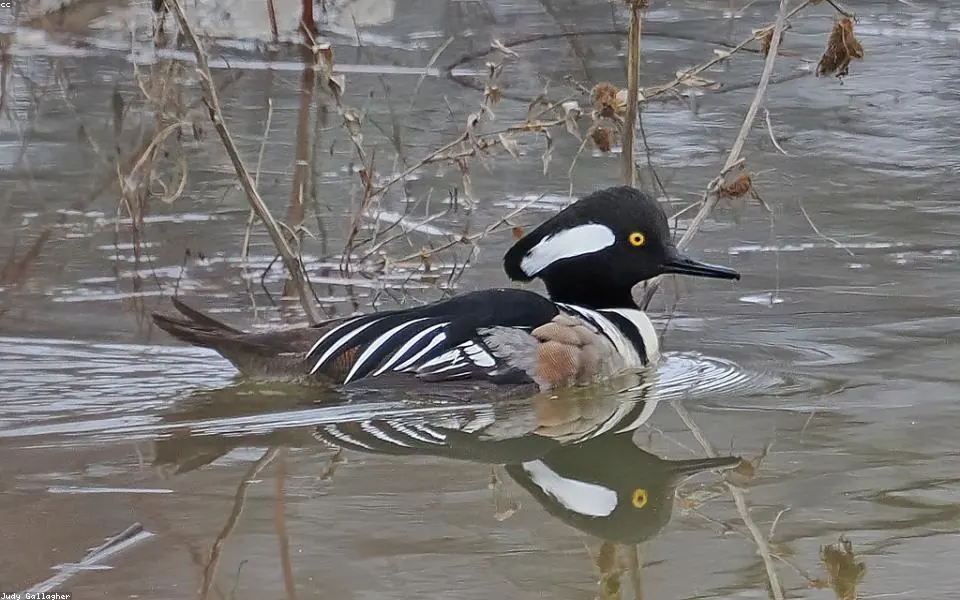
Planting native species is the most direct way to support birds in your yard. Native plants co-evolved with local wildlife over thousands of years, producing seeds, berries, and insects at exactly the right times in the seasonal cycle. A garden built around native flora can attract 3 to 5 times more bird species than one dominated by ornamental exotics.
Why Native Plants Matter More Than Feeders
Feeders get a lot of attention in the birding community, but they cover only a fraction of a bird's nutritional needs. Research from the University of Delaware found that 96% of terrestrial songbirds raise their chicks almost exclusively on insects, not seeds. Native plants host dramatically more insect biomass than introduced ornamentals.
Key differences between native and exotic plants in a Canadian garden context:
| Feature | Native plants | Exotic ornamentals |
|---|---|---|
| Caterpillar species supported | 35–500+ per plant | 0–5 per plant |
| Fruiting season alignment with migration | Yes, timed to autumn flyways | Often not aligned |
| Winter seed and berry retention | Common | Rare |
| Root depth and soil health | Deep, stabilizing | Shallow |
| Maintenance after establishment | Low | Moderate to high |
The takeaway is straightforward: a single native oak or serviceberry does more ecological work than a dozen ornamental shrubs imported from Asia or Europe.
The Best Native Trees for Bird Habitat in Quebec
Quebec's mixed forest zone gives gardeners access to an excellent range of native trees. Larger canopy trees feed birds indirectly through the insect communities they sustain.
Bur Oak (Quercus macrocarpa) Supports over 500 species of caterpillars and other invertebrates in eastern North America. Acorns are consumed by Blue Jays, Wild Turkeys, and Wood Ducks. Slow-growing, but highly drought-tolerant once established. Hardy to zone 3.
White Birch (Betula papyrifera) Seeds feed redpolls, Pine Siskins, and American Goldfinches throughout winter. The bark hosts insects that attract Brown Creepers and Downy Woodpeckers. One of the fastest-establishing native trees for poor or sandy soils.
Trembling Aspen (Populus tremuloides) Among the most ecologically productive trees on the continent. Hosts hundreds of lepidopteran species. Yellow-bellied Sapsuckers drill it for sap, which then attracts hummingbirds, warblers, and kinglets to the same wells.
Tamarack (Larix laricina) The only native deciduous conifer in Quebec. Produces small cones favored by crossbills and siskins. Works well in wetter areas of the garden where other trees struggle.
Native Shrubs That Produce Bird Food
Shrubs are the workhorses of a bird-friendly garden. They provide dense nesting cover at a height that suits most species, and many produce fruit that coincides with fall migration or persists into winter.
Serviceberry / Juneberry (Amelanchier canadensis and A. alnifolia) Fruits ripen in late June and early July, timed almost perfectly for fledgling songbirds. Cedar Waxwings, Veeries, Swainson's Thrushes, and Baltimore Orioles feed heavily on the berries. Serviceberry also blooms early enough to support emerging insects before most other shrubs flower.
Highbush Blueberry (Vaccinium corymbosum) Requires acidic soil (pH 4.5–5.5), which is common in Quebec. Produces fruit consumed by over 90 bird species. Also supports specialist bumblebees that are themselves food for Yellow Warblers and other insectivores.
Elderberry (Sambucus canadensis) Fast-growing and tolerant of moist conditions. Produces heavy clusters of dark berries in August that attract migrating warblers, vireos, and tanagers. Grows 2 to 4 meters tall in a single season when well-watered.
Nannyberry (Viburnum lentago) Extremely cold-hardy and shade-tolerant. Berries persist well into winter, making them valuable for species like American Robins and Bohemian Waxwings that winter in southern Quebec. Multi-stemmed habit provides excellent nesting structure for Song Sparrows and Yellow Warblers.
Speckled Alder (Alnus incana) Underused in gardens but highly productive. Seeds feed American Goldfinches and Common Redpolls. Dense growth at the water's edge provides nesting cover for Common Yellowthroats and Swamp Sparrows.
Native Perennials, Grasses, and Flowers
Herbaceous plants fill the layer between shrubs and the ground, supporting insects and offering seeds directly to birds from late summer through winter.
Purple Coneflower (Echinacea purpurea) Seedheads persist through December and attract American Goldfinches and House Finches. Avoid deadheading in autumn. Cultivars bred for large double flowers often produce fewer seeds, so straight-species plants are preferable for wildlife value.
Wild Bergamot (Monarda fistulosa) Blooms in July and August, attracting hummingbirds and the insects that warblers hunt. Spreads slowly by rhizome, eventually forming a low-maintenance patch. More drought-tolerant than the red-flowered Monarda didyma.
Little Bluestem (Schizachyrium scoparium) A native bunchgrass with exceptional winter structure. Seeds feed juncos, sparrows, and buntings. The dense clumps shelter ground-foraging birds like Fox Sparrows during migration. Turns copper-orange in autumn.
Black-Eyed Susan (Rudbeckia hirta) Biennial or short-lived perennial with seeds that last into January. Works well in dry, exposed areas. Pairs effectively with Little Bluestem to create a low-input bird-feeding area that requires no winter maintenance.
Joe-Pye Weed (Eutrochium purpureum) Can reach 2 meters tall. Seeds attract goldfinches; flowers attract monarch butterflies and the insects that feed warblers during fall migration staging. Thrives in moist spots near rain gardens or drainage areas.
Structuring a Bird-Friendly Native Garden in Quebec
The goal is to create vertical complexity: canopy, understory, shrub layer, herbaceous layer, and ground cover. Birds use different layers for feeding, nesting, and shelter.
Suggested planting zones by function:
| Zone | Purpose | Plant examples |
|---|---|---|
| Back / canopy | Insect production, nesting | White Birch, Trembling Aspen, Bur Oak |
| Mid / understory | Fruit production, dense cover | Serviceberry, Nannyberry, Elderberry |
| Front / herbaceous | Seed production, insect foraging | Coneflower, Little Bluestem, Wild Bergamot |
| Edges / wet spots | Specialist habitat | Speckled Alder, Joe-Pye Weed, Swamp Milkweed |
A garden with even 30 to 40% native cover will register measurable improvements in bird activity within two to three seasons.
Avoiding Common Mistakes
Choosing cultivars over straight species. Many native plant cultivars, such as purple-leaved Ninebark or double-flowered Coneflower, have reduced insect and seed value compared to their parent species. Always check whether a cultivar retains wildlife function before planting.
Planting without considering fruiting sequence. Aim for at least one plant species producing fruit or seeds in each of the following windows: June-July, August-September, October-November, and December-March. This covers breeding season, migration, and winter.
Removing dead stems in autumn. Hollow stems from bergamot, Joe-Pye Weed, and goldenrod shelter overwintering insects that become early-spring food for returning birds. Leave them standing until late April.
Underestimating ground cover. Bare soil between plants discourages ground-foraging sparrows and towhees. Low native ground covers like Wild Ginger (Asarum canadense) or Wild Strawberry (Fragaria virginiana) fill gaps and support additional invertebrates.
Where to Source Native Plants in Quebec
Certified native plant nurseries in Quebec include specialized operations in the Montreal, Quebec City, and Eastern Townships areas. Look for nurseries that propagate plants from local seed stock rather than importing from American or European sources. Regional provenance matters because local-ecotype plants are better adapted to Quebec's frost timing, soil types, and seasonal light conditions.
The Regroupement des jardins botaniques du Quebec and the Quebec Naturalist Society both maintain updated lists of native plant suppliers. Several conservation organizations, including Nature-Action Quebec, run annual native plant sales in spring with locally sourced stock at accessible prices.
Frequently asked questions
Which single native plant has the highest bird value for a small Quebec garden?
Serviceberry (Amelanchier species) consistently ranks at the top for small urban and suburban gardens. It fits under utility lines when mature (typically 4 to 8 meters), produces fruit that at least 35 bird species consume, blooms early to support insects, and provides good nesting structure. It tolerates partial shade, which matters in urban lots with neighboring trees.
Do native plants attract unwanted wildlife like raccoons or deer?
Berry-producing plants do attract mammals. Elderberry and serviceberry will interest raccoons when fruit is ripe. Deer browse on many native shrubs, particularly in suburban areas where deer pressure is high. Physical fencing or deer-resistant species selection (Speckled Alder, Wild Bergamot, and Little Bluestem are rarely browsed) reduces conflict. The broader ecosystem benefit usually outweighs the inconvenience.
How long before native plantings start attracting more birds?
Most gardeners report noticeable changes in bird activity within the first full growing season after planting shrubs. Insect communities establish more slowly, so the full cascade effect, where native plants host insects that in turn attract insectivorous warblers and vireos, typically takes two to four years to develop. Faster results come from combining native plants with existing habitat features like brush piles and water sources.
Can native plants be grown in containers for apartment balconies in Montreal or Quebec City?
Some species adapt reasonably well to containers. Wild Bergamot, Purple Coneflower, Black-Eyed Susan, and Little Bluestem all work in large containers (minimum 30 to 40 liters) and will attract hummingbirds and seed-eating finches to upper-floor balconies. Woody natives like serviceberry can survive two to three seasons in large containers before root restriction becomes a problem. Winter hardiness in containers is lower than in-ground, so move containers against a sheltered wall or insulate them before freeze-up.