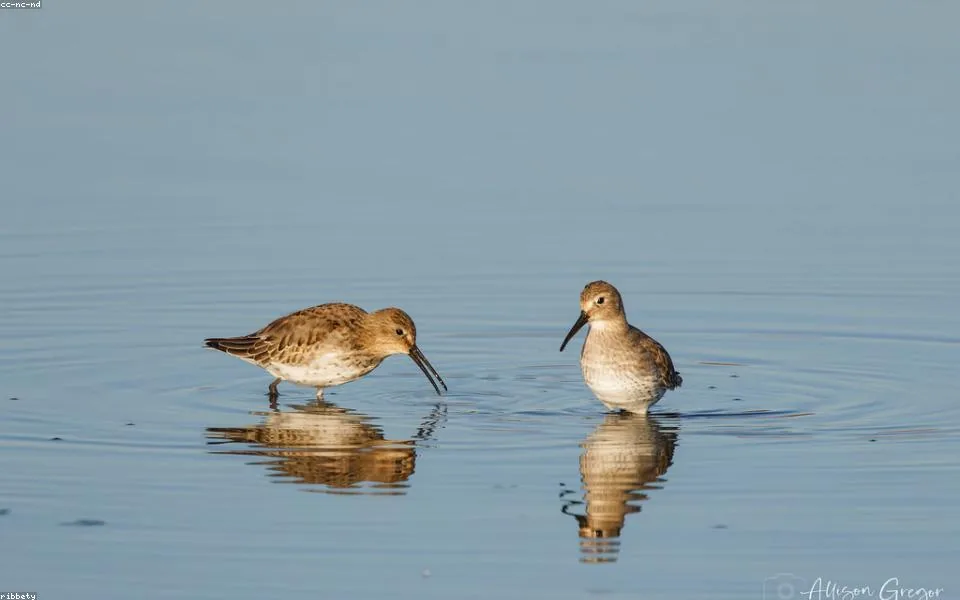
Green birding is a birding approach where you count only the species you find without using motorized transport. It started as a personal challenge and has grown into a measurable conservation practice across North America, with a particularly active community in Canada.
What Green Birding Actually Means
Green birding sets one rule: no motorized vehicles. You walk, cycle, canoe, ski, or use any human-powered method to reach your birding spots. Every species you identify counts toward your list only if you arrived under your own power.
The term is sometimes used loosely to mean "eco-friendly birding," but in competitive and structured contexts it has a strict definition. The Green Big Day format, for example, requires participants to cover their entire route without engines. Some birders extend this to a full year list called a Green Year.
There are three common formats:
- Green Big Day: one calendar day, human-powered transport only, maximum species
- Green Year List: a full 12-month species list built without motorized travel
- Patch Birding: repeated visits to one local area, any season, tracking species and behavior over time
Why Canadian Birders Are Choosing This Approach
Canada has over 700 recorded bird species. Most birders never need to leave their province to build a list above 250. The pressure to drive hours for a rarity or fly to a hotspot has real carbon costs that green birding deliberately avoids.
Transport is the largest source of emissions in recreational birding. A single 400 km round trip to chase a rare shorebird produces roughly 60–80 kg of CO2 from an average passenger vehicle. A cyclist doing the same route over a week produces near zero.
Beyond emissions, there are practical reasons to birding green:
| Reason | What it changes in practice |
|---|---|
| Lower cost | No fuel, no lodging, no entry fees for distant parks |
| Deeper local knowledge | You learn one area well instead of many superficially |
| Better physical fitness | Cycling and walking 20–40 km per day is common in a Green Big Day |
| Slower pace = more observations | You hear more, miss less, notice behavior not just species |
| Community connection | Local routes get shared, documented, and improved |
How to Start Green Birding in a Canadian Context
Canada's geography makes green birding very different across regions. A birder in downtown Montreal has cycling access to a different set of species than someone in rural New Brunswick or suburban Victoria.
Start with what is reachable in 30 minutes by foot or bike from your front door. Most Canadian neighborhoods within 5 km of a river, wetland, or forest edge can produce 80–120 species in a calendar year without any vehicle use.
Steps to set up your green birding practice:
- Define your territory. Draw a 10 km radius around your home. This becomes your primary patch.
- Identify habitat types inside that radius: water, woodland, open field, urban green space.
- Map a cycling or walking route that connects those habitats efficiently.
- Set a baseline. Record every species in January. Compare month by month.
- Submit checklists to eBird using the "traveling" or "stationary" protocol. Tag notes as green birding in your comments.
Species You Can Realistically Find Green Birding in Quebec
Quebec is one of the most productive provinces for green birding due to the diversity of its habitats within urban and peri-urban areas. The St. Lawrence corridor, the Laurentians, and the Eastern Townships all have birding locations accessible by cycling trail or hiking path.
Expected species by habitat within cycling range of most Quebec cities:
Riparian and wetland edges (rivers, marshes)
- Great Blue Heron
- Belted Kingfisher
- Common Yellowthroat
- Swamp Sparrow
- American Bittern (in larger marshes)
Mixed and deciduous woodland
- Pileated Woodpecker
- Black-throated Green Warbler
- Ovenbird
- Veery
- Red-eyed Vireo
Open fields and agricultural edges
- Bobolink
- Eastern Meadowlark
- Savannah Sparrow
- American Kestrel
- Northern Harrier
Urban parks and gardens
- Cedar Waxwing
- Baltimore Oriole
- Ruby-throated Hummingbird
- House Wren
- Gray Catbird
A disciplined green birder covering these habitats by bicycle in the Montreal or Quebec City region can expect 160–190 species in a year, which is competitive with many motorized year lists from the same area.
Garden Birding as Part of a Green Year
Your garden or balcony counts. A feeder setup in a Canadian backyard contributes real data and extends your green list without leaving home. Winter feeding stations in particular attract species that would otherwise require a long drive into boreal habitat.
Effective feeder combinations for Canadian gardens:
| Feeder type | Seed or food | Target species |
|---|---|---|
| Hopper feeder | Black oil sunflower | Black-capped Chickadee, Purple Finch, Evening Grosbeak |
| Nyjer sock | Nyjer (thistle) seed | Common Redpoll, Pine Siskin, American Goldfinch |
| Suet cage | Rendered beef suet | Downy, Hairy, and Pileated Woodpecker |
| Platform feeder | Mixed millet | Dark-eyed Junco, White-throated Sparrow, Mourning Dove |
| Hummingbird feeder | 4:1 water to white sugar | Ruby-throated Hummingbird (May–September) |
Planting native shrubs like serviceberry (Amelanchier), elderberry (Sambucus canadensis), and dogwood (Cornus sericea) reduces dependence on feeders and attracts a wider range of species including thrushes and warblers that rarely visit feeders.
Tracking and Submitting Green Birding Data
eBird is the primary platform used by Canadian birders. It does not have a built-in "green birding" tag, but the community uses several conventions to mark human-powered outings:
- Add "green birding" or "GB" to the checklist comments field
- Use the cycling transport type when submitting traveling counts
- Some birders keep a parallel spreadsheet tracking total distance cycled or walked per year alongside species count
Birds Canada supports citizen science programs including Project FeederWatch, the Breeding Bird Atlas, and the Marsh Monitoring Program. All three can be done entirely without motorized transport from most southern Canadian locations.
Keeping a structured log matters. A year-end green list with transport notes, dates, and distances is more useful to yourself and to local birding communities than a simple species count.
Green Big Day Strategy: What Competitive Birders Actually Do
Serious Green Big Day participants plan routes months in advance. The goal is to maximize habitat diversity per kilometer traveled, not total distance. A 60 km cycling loop hitting four distinct habitat types outperforms a 120 km route through continuous forest.
Key decisions before a Green Big Day:
- Start time: 3:30–4:00 AM for owls and early dawn chorus
- Route order: wetland first at dawn, forest mid-morning, open fields midday, water again at dusk
- Weather window: calm, overcast days with light wind produce higher detection rates than bright sun
- Season: late May to early June is peak in most of Canada for sheer species numbers
Top Canadian Green Big Day totals in recent years have reached 130–145 species in southern Ontario and Quebec. Dedicated cyclists have matched or exceeded motorized Big Day totals from the same regions done a decade earlier, partly because slow travel allows more careful listening.
Common Mistakes in Green Birding
New green birders often underestimate a few things:
- Distance fatigue: A Green Big Day covering 70+ km by bicycle leaves less mental sharpness for identification in the afternoon. Training rides beforehand matter.
- Over-expanding the territory: Covering too large an area rarely pays off. A 15 km diameter patch known intimately beats a 50 km radius explored randomly.
- Ignoring nocturnal species: Owls, nighthawks, and rails require dedicated listening stops at night or pre-dawn. These species are hard to add otherwise.
- Skipping winter: January and February feel slow but produce boreal species pushed south by cold: Bohemian Waxwing, Common Redpoll, Snowy Owl, and Rough-legged Hawk.
Frequently asked questions
Does green birding count species seen from a train or bus?
Most green birding definitions exclude all motorized transport including public transit. Species seen from a train window do not count for a strict green list. The intent is human-powered movement. Walking to a bus stop and scanning from there is fine; the bus ride itself disqualifies observations made during it.
What is a realistic green year list total for a Canadian birder?
In southern Quebec or Ontario, a committed green birder who goes out consistently year-round can reach 180–220 species. Coastal British Columbia offers higher totals, with some birders exceeding 230 species. Prairie birders in Saskatchewan and Manitoba can approach 200 species by covering grassland and wetland habitats thoroughly on bike or foot.
How does green birding affect eBird data quality?
Positively, in most cases. Slow travel produces more complete checklists because observers detect more by ear and spend longer at each site. Cyclists and walkers tend to log higher species-per-hour rates in habitat-rich areas compared to slow-driving surveys. eBird's detection models can distinguish these effort types, which improves abundance estimates.
Can you do green birding in winter in Canada?
Yes, and winter is underused by most birders. Boreal species irrupt south in cold years and concentrate near feeders, roadsides, and open water. On skis or snowshoes, habitat that is inaccessible in summer opens up. Species like Gray Jay, Boreal Chickadee, and American Three-toed Woodpecker are more reliably found in winter in accessible boreal edge habitat than during the breeding season when they disperse widely.