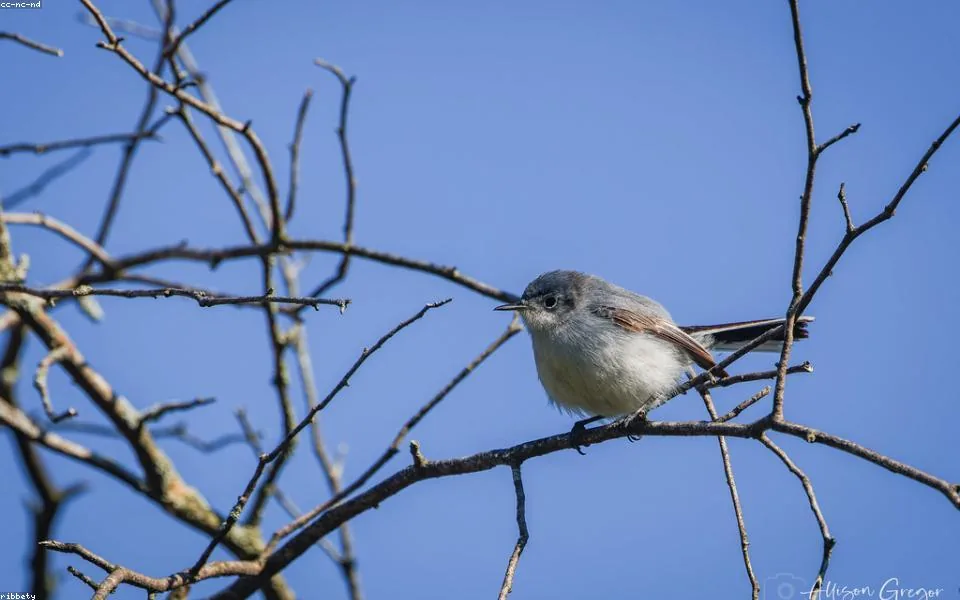
Fall migration is one of the most underrated seasons for birding in Canada. While spring gets the attention, autumn moves more birds — including juveniles making their first journey south — over a longer window and often closer to the ground.
What Makes Fall Migration Different from Spring
Spring migration is fast and loud. Birds are in breeding plumage, singing constantly, racing north to claim territory. Fall is the opposite: quieter, more drawn out, and considerably harder to identify. Many species — especially warblers — shift into drab non-breeding plumage, and juvenile birds with streaky, muted coloring make up a large portion of what you see.
That difficulty is exactly why experienced birders prefer fall. A confusing warbler in September teaches you more than a singing Yellow Warbler in May.
Key structural differences between seasons:
| Feature | Spring Migration | Fall Migration |
|---|---|---|
| Duration | 6–8 weeks | 10–14 weeks |
| Peak window | Late April – May | August – October |
| Plumage | Breeding (bright) | Non-breeding or juvenile (drab) |
| Bird behavior | Vocal, territorial | Quiet, furtive |
| Species diversity | High | Very high (includes juveniles) |
| Difficulty to ID | Moderate | High |
When Fall Migration Actually Starts in Canada
Most people think migration begins in September. In reality, shorebirds start moving south through Quebec and the Maritime provinces as early as mid-July. By the time August arrives, you are already in the middle of active migration for several groups.
A rough timeline for eastern Canada:
- Mid-July – August: Shorebirds peak (Semipalmated Sandpiper, Lesser Yellowlegs, Pectoral Sandpiper). This is the best shorebird window in Quebec.
- Late August – September: Warblers, vireos, and flycatchers. The largest diversity period. Cold fronts after the third week of August push huge waves overnight.
- September – October: Raptors. Broad-winged Hawk migration peaks in mid-September, sometimes in flocks of thousands in a single day at hawk watch sites.
- October – November: Sparrows, finches, and late lingerers like Yellow-rumped Warbler. Also the window for rare western strays.
- November – December: Waterfowl, and early irruptive finches if the northern seed crop fails.
Quebec-Specific Migration Hotspots
Quebec sits along one of the most productive migration corridors in eastern North America. The St. Lawrence River acts as a leading line — birds follow it south, concentrating at points where the river narrows or where habitat funnels movement.
Cap Tourmente National Wildlife Area is essential in fall. Snow Geese stop here by the tens of thousands — peak numbers routinely exceed 100,000 birds in October. Shorebird flats and forest edges also produce warblers and sparrows in September.
Baie-du-Febvre on Lac Saint-Pierre is the other major Snow Goose site, with different habitat producing different supporting species. Great Blue Herons stage here in late summer in large numbers.
Parc national du Mont-Royal in Montreal is a documented migration trap. The forest patch on the mountain concentrates passerines during cold front fallouts. On a good morning in late August, experienced observers have tallied 20+ warbler species before noon.
Pointe-des-Cascades and Châteauguay estuary are reliable for shorebirds when water levels expose mudflats — something that varies year to year, so checking recent eBird reports before visiting is worth the two minutes.
How to Use Cold Fronts
Migration does not happen steadily every night. It pulses. The biggest movements occur when a cold front passes through, winds shift to the northwest, and skies clear. Birds that were grounded for days suddenly move en masse.
Practical approach:
- Check the forecast 48–72 hours ahead. A strong cold front arriving mid-week is your signal.
- The night the front passes, large numbers move. Be in the field the following morning — that is when birds land and feed.
- If the front stalls and winds go back to the south, activity drops sharply. Adjust your plans accordingly.
Weather apps designed for pilots or glider pilots (showing winds aloft at 1,500–3,000m) give a better picture of migration conditions than standard consumer forecasts.
Garden Birding During Fall Migration
You do not need to drive two hours to a wildlife area to experience fall migration. A well-structured garden can intercept migrants reliably, especially during wave events.
What actually works:
Native shrubs with fruit Species like Serviceberry (Amelanchier), Elderberry (Sambucus canadensis), and native Viburnums hold fruit into October. Cedar Waxwings, American Robins, Hermit Thrushes, and Swainson's Thrushes use them heavily during stopover.
Brush piles and leaf litter White-throated Sparrows, Fox Sparrows, and Hermit Thrushes forage in leaf litter at the base of shrubs. A brush pile left in a corner of the garden gives them cover. This costs nothing.
Water A shallow moving water source — even a dripper over a birdbath — is the single highest-impact addition for migrant attraction. Birds locate moving water by sound. During a September fallout, a garden dripper can bring in species that would otherwise pass through without stopping.
Feeders Black-oil sunflower seed remains the most efficient option for sparrows and finches. Niger seed for Pine Siskins and American Goldfinches, which begin appearing in numbers in October. Suet for Yellow-rumped Warblers, Brown Creepers, and the occasional late insectivore.
| Garden Feature | Target Species | When Active |
|---|---|---|
| Native fruiting shrubs | Thrushes, Cedar Waxwing, catbirds | August – October |
| Leaf litter / brush pile | Fox Sparrow, White-throated Sparrow | September – November |
| Moving water / dripper | Warblers, vireos, flycatchers | August – September |
| Black-oil sunflower feeder | Dark-eyed Junco, White-crowned Sparrow | October – November |
| Niger feeder | Pine Siskin, Common Redpoll | October – December |
Identifying Fall Warblers: The Main Challenge
Fall warbler identification separates casual observers from birders who have put in time. The key shift in approach: stop looking for color patches and start reading shape, behavior, and habitat.
A reliable framework:
- Size and shape first: Tail length, bill shape, wing length relative to tail tip.
- Eye ring or no eye ring: This eliminates dozens of species immediately.
- Behavior: Does it creep along bark (Black-and-white Warbler, same in fall as spring)? Does it wag its tail (Palm Warbler)? Does it flick its wings (Oporornis-type species)?
- Habitat zone: Ground forager, mid-canopy, or treetops?
Species that confuse most beginners in fall in Quebec:
| Species | Key Fall Field Mark | Common Confusion |
|---|---|---|
| Bay-breasted Warbler | Buffy flanks, short primary projection | Blackpoll Warbler |
| Blackpoll Warbler | Pale legs (important), longer primary projection | Bay-breasted |
| Nashville Warbler | Complete eye ring, yellow undertail coverts | Connecticut Warbler |
| Orange-crowned Warbler | Dusky yellow overall, faint streaks, split eye ring | Tennessee Warbler |
| Palm Warbler | Tail pumping, rusty cap often faint in fall | Yellow-rumped |
Green Birding During Fall Migration
Green birding — observing without using a motorized vehicle — is increasingly practiced in Quebec and across Canada. Fall migration makes it genuinely rewarding because birds come to you during stopover events.
Practical options that require no driving:
- Urban parks with mature trees during morning fallouts
- Cycling to a local wetland or river edge for shorebirds and waterfowl
- Walking local trails repeatedly through September and October to document the full progression of species
Consistent local coverage produces more useful data than occasional long trips. Birds Canada and eBird actively incorporate local patch data into migration research. A backyard list submitted to eBird every morning in September contributes to population-level science.
Using eBird for Real-Time Migration Planning
eBird's Explore tools are genuinely useful for fall birding logistics. The Abundance Maps show species presence week by week across Canada. The Bar Charts by region show what to expect during any given week at a specific hotspot.
Practical workflow before a birding trip:
- Open eBird and navigate to the nearest hotspot to your target location.
- Check the bar chart for September–October to see which species peak when.
- Look at recent checklists (last 7 days) to see what observers are finding right now.
- Cross-reference with weather — recent frontal passage and northwest winds in the last 48 hours means the most recent checklists reflect post-front fallout conditions.
This takes less than 10 minutes and consistently improves the specificity of what you find.
Frequently asked questions
When is the peak of fall migration in Quebec?
The peak varies by group. Shorebirds peak from mid-July through August. Warblers and flycatchers peak from late August through mid-September. Raptors peak in mid-September for Broad-winged Hawk and October for Sharp-shinned and Cooper's Hawks. Sparrows and finches continue through October and into November. There is no single peak date — migration is a series of overlapping pulses, each requiring different habitat and timing.
Do birds migrate during the day or at night in fall?
Most passerines — warblers, sparrows, thrushes, vireos — migrate at night and descend to feed during the day. Raptors and waterfowl move during daylight. This is why mornings after clear nights with northwest winds produce the best passerine birding. The birds that moved through at 2 a.m. are grounded and feeding by 7 a.m.
What is the best time of day to birdwatch during fall migration?
The first two to three hours after sunrise produce the highest activity for songbirds. This is when overnight migrants are actively foraging and most visible. Raptor watching at hawk watch sites is better from mid-morning onward, once thermals develop — typically between 9 a.m. and 2 p.m. on sunny days with light northwest winds.
How do I attract more migrant birds to my garden in fall?
Three changes produce the most measurable results: add a dripper or recirculating water feature, plant at least one native fruiting shrub that holds fruit into October, and reduce or eliminate pesticide use so the insect base remains intact for insectivorous migrants. Feeders help for seed-eating species but will not attract thrushes, warblers, or flycatchers — water and native vegetation do that work.