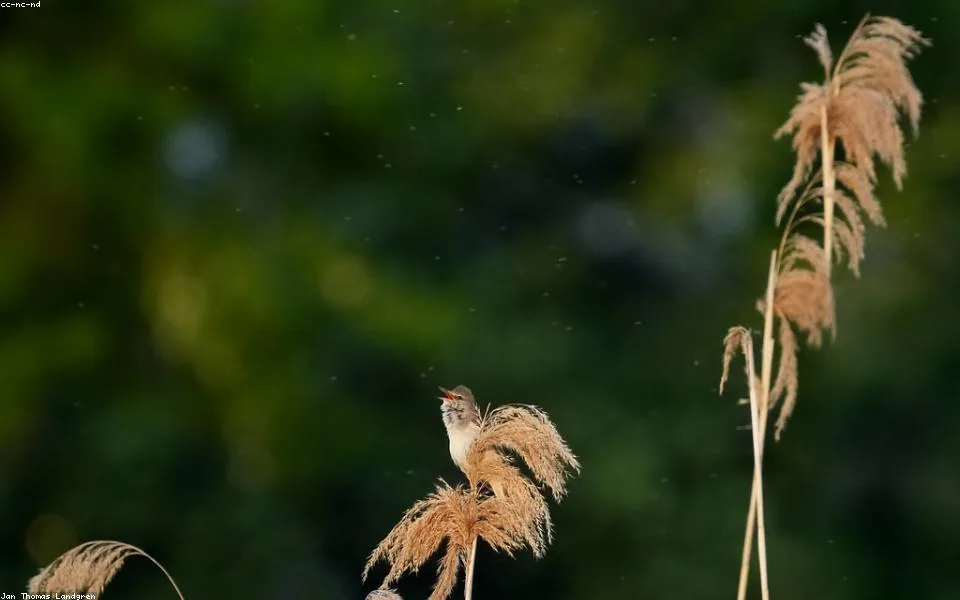
Migration is one of the most measurable wildlife events in Canada. Millions of birds move through the country twice a year on predictable schedules, following temperature shifts, daylight length, and food availability. Knowing the exact windows for each season helps you plan fieldwork, set up feeders, and photograph species you would otherwise miss entirely.
Why Migration Timing Matters for Birdwatchers
Showing up two weeks late in spring means missing peak warbler movement. Showing up two weeks early in fall means the shorebird flats are still empty. Migration is not a vague seasonal mood — it runs on tight biological calendars that vary by species, flyway, and latitude.
In Canada, most migratory activity falls into four distinct phases, each with its own cast of species and observation conditions.
The Four Migration Seasons at a Glance
| Season | Approximate Window (Eastern Canada) | Key Groups |
|---|---|---|
| Early Spring | Late February – late March | Waterfowl, raptors, blackbirds |
| Peak Spring | April – late May | Warblers, shorebirds, vireos, flycatchers |
| Early Fall | Late July – September | Shorebirds, early raptors, juvenile warblers |
| Peak Fall | October – November | Waterfowl, sparrows, late raptors |
These windows shift by roughly one to two weeks earlier as you move from northern Quebec toward the Great Lakes or Maritime coast.
Spring Migration: The Detailed Breakdown
Late February to March
The first migrants are not songbirds. Red-winged Blackbirds and Common Grackles push north as soon as ice recedes from wetland edges, often arriving in Quebec by the first week of March. Killdeer return to gravel fields around the same time.
Waterfowl movement on the St. Lawrence is heavy from mid-February onward. Greater Scaup, Common Goldeneye, and Long-tailed Duck stage in open water patches while ice still covers inland lakes. This is also the best period for short-eared owl activity in agricultural areas before they disperse to nesting grounds.
April
April is the transition month. Tree Swallows arrive early — often the second week of April in southern Quebec — and they are a reliable indicator that insect emergence has begun at lower elevations. Eastern Phoebes and Yellow-rumped Warblers follow within days.
By late April, Hermit Thrushes, Ruby-crowned Kinglets, and Palm Warblers move through in numbers. These are cold-tolerant species that can handle overnight temperatures near freezing, which is why they precede the main warbler wave.
May
May is the month most birdwatchers plan their entire calendar around. The warbler migration peaks between May 10 and May 25 across southern Quebec. A single morning at a migrant trap — a woodlot surrounded by open fields or a lakeside park — can produce 20 or more warbler species.
Key species by arrival order in southern Quebec:
- May 1–7: Nashville Warbler, Yellow Warbler, Black-and-white Warbler
- May 8–15: Blackburnian Warbler, Magnolia Warbler, American Redstart, Rose-breasted Grosbeak
- May 16–25: Bay-breasted Warbler, Blackpoll Warbler, Canada Warbler, Wilson's Warbler
- May 25+: Late flycatchers (Alder, Willow), Mourning Warbler
Shorebird movement in spring is compressed. Most species pass through in a 10-day window in mid-May, using flooded agricultural fields and mudflats along the St. Lawrence.
Fall Migration: A Longer, Quieter Season
Fall migration begins earlier than most birdwatchers expect. Shorebirds start moving south through Quebec in late July — adults first, juveniles following three to four weeks later. By mid-August, mudflats along the St. Lawrence estuary hold Semipalmated Sandpipers, White-rumped Sandpipers, and Stilt Sandpipers in numbers that rival any Atlantic coastal site.
August and September
Hawk migration builds through September. The Cartier-Brébeuf corridor and the ridgelines north of Quebec City funnel Broad-winged Hawks, Sharp-shinned Hawks, and American Kestrels southward. Broad-winged Hawk counts in Quebec can reach several thousand birds on a single cold-front morning in mid-September.
Warbler movement in fall is longer but less concentrated than in spring. Birds are not competing for territories, so they move at night in small groups and spread across a broader front. Juveniles in plain plumage make fall a strong season for developing identification skills.
October and November
White-throated Sparrows, Dark-eyed Juncos, and American Tree Sparrows replace the summer residents in October. Duck migration on inland lakes peaks after the first hard frosts. By late October, Canvasback, Redhead, and Ring-necked Duck appear on larger lakes before freeze-up forces them further south.
November brings the last lingering hawks — Northern Goshawk and Rough-legged Hawk — and the first irruptive finches. Bohemian Waxwings, Pine Siskins, and Evening Grosbeaks arrive from boreal forest zones in years when cone and berry crops fail further north.
Regional Differences Across Canada
Migration timing and species composition change significantly across the country.
| Region | Spring Peak | Notable Species | Notes |
|---|---|---|---|
| Southern Quebec / Ontario | May 10–25 | Wood warblers (30+ species possible) | Highest warbler diversity in Canada |
| Atlantic Provinces | May 15–30 | Shorebirds, Boreal Chickadee | Later spring due to cold ocean influence |
| Prairie Provinces | April 20 – May 20 | Waterfowl, shorebirds, prairie raptors | Massive staging on wetlands and flooded fields |
| British Columbia (coast) | March – May | Pacific migrants, Anna's Hummingbird year-round | Separate Pacific Flyway species |
| Boreal / Northern Quebec | June (arrival) | Breeding warblers, sparrows, shorebirds | Migration compresses into short window |
Top Migration Hotspots in Quebec
Quebec has several sites that consistently produce high counts because of geography — peninsulas, lake edges, and river confluences act as funnels.
- Cap Tourmente National Wildlife Area: Best fall waterfowl site in eastern Canada. Greater Snow Geese staging here in October can reach 800,000 birds in a single day during peak movement.
- Parc national du Mont-Tremblant: Reliable spring warbler site with accessible forest trails.
- Île Bizard (Montreal): Urban migrant trap with a mix of habitats in a small area.
- Baie-du-Febvre (Lac Saint-Pierre): Spring Snow Goose and dabbling duck staging, mid-March to April.
- Rimouski / Bas-Saint-Laurent coast: Shorebird migration in August along the St. Lawrence south shore.
Setting Up Your Garden for Migrants
Migrating birds stop to refuel, and a well-designed yard can hold species for hours that would otherwise pass through undetected.
What works:
- Native berry-producing shrubs (serviceberry, elderberry, native dogwoods) provide fat-rich fruit in August–October
- A moving water source — even a drip line over a birdbath — attracts far more warblers than a static dish
- Leaving leaf litter under trees intact creates foraging habitat for thrushes and sparrows
- Reducing or eliminating outdoor lighting during May and September cuts window strike mortality and reduces disorientation of nocturnal migrants
What does not work as well as advertised:
- Feeders alone do not attract most migrants; only seed-eating species like sparrows and finches use them during migration
- Suet in summer heat goes rancid quickly and can harm birds rather than help them
Green Birding and Migration Observation
Green birding — observing birds under human power only, without driving to sites — pairs naturally with migration because the best spots are often accessible by bicycle or on foot. In Montreal and Quebec City, dedicated cyclists regularly log 80-plus species during May big days using trails and urban parks.
This approach also reduces disturbance at sensitive staging areas, which matters during shorebird migration when birds are under physiological stress and any flushing costs energy they cannot afford to lose.
Photography During Migration
Migration creates conditions that are otherwise impossible to replicate. Migrants are unfamiliar with local predator cues, so they often allow closer approach than resident birds. Early morning light combined with birds actively foraging after a nocturnal flight produces the best opportunities.
Practical notes for Quebec migration photography:
- The two hours after sunrise on still mornings following a southerly night wind (spring) are the most productive
- Rail edges and forest openings beat deep canopy for light quality
- Overcast days reduce contrast problems with small warblers in mixed canopy
- Fall juvenile warblers are often more cooperative than adults and present identification challenges worth documenting
Frequently asked questions
When does spring migration peak in Quebec?
The main wave of wood warblers moves through southern Quebec between May 10 and May 25. Early April brings cold-tolerant species like Yellow-rumped Warblers and kinglets, but the peak diversity window is roughly two weeks in mid-May.
What is the best time to see Snow Geese migration in Quebec?
Cap Tourmente, east of Quebec City, hosts the largest Snow Goose concentrations in October during fall staging, with counts sometimes exceeding 800,000 birds. A smaller spring movement passes through Baie-du-Febvre in March and early April.
Do migration dates shift from year to year?
Yes. Spring arrivals correlate with temperature, and a warm March can push first arrival dates forward by one to two weeks. eBird data from Quebec shows Yellow Warbler first arrival dates have shifted approximately four days earlier over the past 25 years. Cold springs delay movement noticeably.
How do I find migrants in my local area without traveling to known hotspots?
Any green space with water, edge habitat, and tree cover can hold migrants. Search eBird for recent reports within 10 kilometers of your location and filter by the current week to see what is being detected locally. Early mornings after calm nights with southerly winds in spring produce the most activity.